

AFFF Firefighting Foam Lawsuit
Wallace Miller is not currently accepting AFFF cases. However, that does not mean you don’t have a legal claim. We recommend searching for attorneys and law firms that focus on AFFF lawsuits.
Online directories like FindLaw or Martindale can help with finding qualified legal professionals, or you can contact your local Bar Association for help in your area.
Overview
Injury: Serious health consequences caused by exposure to PFAS in firefighting foam
Defendant: Manufacturers and distributors of aqueous film-forming foam (AFFF)
Practice: Mass Tort
Latest Update: July 2024 — More than 9,000 claims included in AFFF MDL.
The consolidated litigation in the District of South Carolina now includes more than 9,000 filed claims.
Case Team

PARTNER
Edward A. Wallace

CONTACT ATTORNEY
Kristina J. Anderson

CONTACT PARALEGAL
Cyrus Finegan

PARALEGAL
Gabriela Lopez
What is the AFFF Lawsuit? PFAS Exposure and the Firefighting Foam Litigation
Thousands of cases have been filed against manufacturers of firefighting products in the ongoing aqueous film-forming foam (AFFF) lawsuit. These suits allege that AFFF puts people who use it at high risk of PFAS exposure, which has been linked to serious and even life-threatening health effects.
Injury
What is AFFF?
Aqueous film-forming foam (AFFF) is a specialized substance designed to put out fires that involve flammable liquids like petroleum. First developed in the 1960s, it has been used for decades by both civilian and military firefighters. AFFF is most common at airports, military bases, and other locations with frequent use of flammable substances like oil, gasoline, and jet fuel.

Photo © Pixabay
Understanding PFAS, the "forever chemicals"
PFAS, short for per and polyfluoroalkyl substances, are a category of synthetic chemical that spread easily through the environment and the human body. A type of fluorochemical product, PFAS also include perfluorooctanoic acid (PFOA) and perfluorooctane sulfonate (PFOS).
In use since the 1940s, PFAS are absorbed easily in animals and humans. The chemicals are resistant to breaking down and bind to proteins in the blood of exposed people, so they accumulate in the body and remain over long periods of time.
The Environmental Protection Agency (EPA) and other public health organizations have found that PFAS and other fluorochemicals may be harmful to human health. Studies have shown that these substances increase the risk of serious health issues, including:
- Kidney cancer
- Testicular cancer
- Thyroid disease
- Ulcerative Colitis
Plaintiff & Defendant
Plaintiffs have filed thousands of lawsuits across the U.S. against chemical manufacturers and distributors of aqueous film-forming foam (AFFF) that contained PFAS and other toxic chemicals. These companies include:
- 3M
- DuPont
- Chemours
- Tyco Fire Products
- Chemguard
- BASF Corporation
The claims allege that these defendants knew that the foam contained toxic PFAS chemicals and failed to warn consumers of the dangers of using the products. Instead, plaintiffs relied on the products’ warnings and instructions and consumed, inhaled, and absorbed PFAS from the toxic firefighting foam.
Because AFFF containing PFAS was most commonly used in settings like airfields and military bases, plaintiffs exposed to firefighting foam include:
- Civilian firefighters
- Firefighters at military bases
- Military personnel, especially in the Navy
- Firefighters in the fuel industry
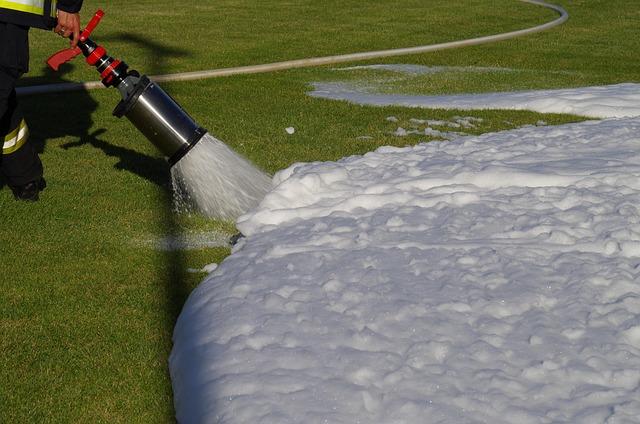
Photo © Pixabay
Landscape
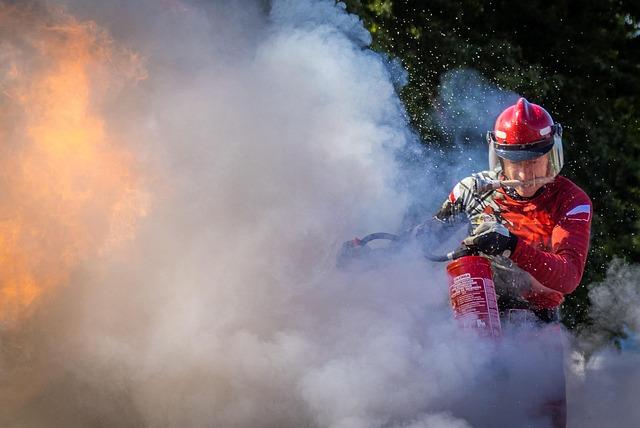
Photo © Pixabay
The history of PFAS
Initially developed in the 1940s, PFAS have been used at a large scale in manufacturing since the 1950s. Their chemical and physical properties make the substances resistant to water, oil, heat, and other hazards, leading to a broad range of applications including fire extinguishers, nonstick cookware, and food packaging.
Since their adoption in manufacturing, PFAS have been found throughout the environment, including in food, drinking water, breast milk, and blood. According to the lawsuit against AFFF manufacturers, these companies may have known that PFAS were dangerous as early as the 1960s.
The AFFF multidistrict litigation
Thousands of cases against the distributors and manufacturers of AFFF products have been consolidated in a multidistrict litigation (MDL) in the U.S. District Court for the District of South Carolina. MDLs combine similar lawsuits into centralized proceedings that can make the process faster and more effective.
In addition to claims brought by states, public water systems, and individual property owners, many of the consolidated cases are personal injury claims. Under Judge Richard M. Gergel, personal injury plaintiffs are seeking justice and compensation for the health conditions caused by exposure to firefighting foam.
Timeline
July 2024
More than 9,000 claims included in AFFF MDL.
The consolidated litigation in the District of South Carolina now includes more than 9,000 filed claims.
April 12, 2024
Settlement with public water systems announced by Tyco.
Tyco Fire Products has announced a settlement with MDL leadership and public water systems. Individual personal injury claims in the MDL are ongoing.
September 11, 2023
Settlement with public water systems announced by 3M.
The 3M Company has announced a settlement with public water systems across the U.S.
September 5, 2023
Settlement with public water systems announced by DuPont.
DuPont de Nemours has announced a settlement with public water systems.
January 2021
The first AFFF MDL settlement is announced for $17.5 million.
2018
The Judicial Panel on Multidistrict Litigation consolidates 75 cases in an MDL in South Carolina.
December 2005
The EPA finds that DuPont hid the environmental and health effects of PFOA substances from the public.
2000-2002
3M phases out their use of PFOS in aqueous film-forming foam.
1960s
AFFF including PFAS is first developed for use in airports and military bases.
1950s
PFAS is widely used in manufacturing, including in products like fire extinguishers, food packaging, and nonstick cookware.
1940s
PFAS is first developed for commercial use.