

Survivor Advocacy: Who Can Be a Survivor of Sexual Abuse?
Reviewed by Molly Condon Wells, Esq.
Stereotypes about sexual abuse are widespread. Sexual violence is already one of the most difficult things someone can go through, and these misconceptions can make it even more difficult to recover and get help. Many survivors struggle with feelings of shame and guilt, fearing that they may not be believed or may even be blamed for their abuse.
The Survivor Advocacy team at Wallace Miller is dedicated to helping all survivors, regardless of gender, age, sexuality, race, or any other factor. We believe our clients’ stories and work with them to determine the best individual path forward. Together, we’re fighting to hold the people who perpetrate harm accountable and fix the system that enables sexual abuse.
The National Sexual Assault Hotline provides confidential support 24 hours a day, seven days a week. They can be reached at online.rainn.org and 1-800-656-4673.
Who can be a survivor of sexual abuse?
While some groups may suffer from sexual assault more frequently, anyone can be sexually assaulted. Sexual violence and unwanted sexual contact occurs across all genders, races, ages, religions, nationalities, classes, and sexual orientations.
As of 2023, studies show that more than 27% of men and more than 32% of women have been sexually victimized in their lifetime. Most sexual assaults are committed by someone known to the survivor, such as a friend, family member, acquaintance, or intimate partner, but assaults may also be carried out by strangers. Many people are also abused by someone who holds power over them, such as a doctor, a teacher, or a religious leader.
Stereotypes about who can and can’t suffer from sexual assault and abuse hurt everyone. They can make it harder for survivors of sexual violence to acknowledge what happened to them, especially if they don’t look like the “typical” survivor, and they can make support more difficult to find.
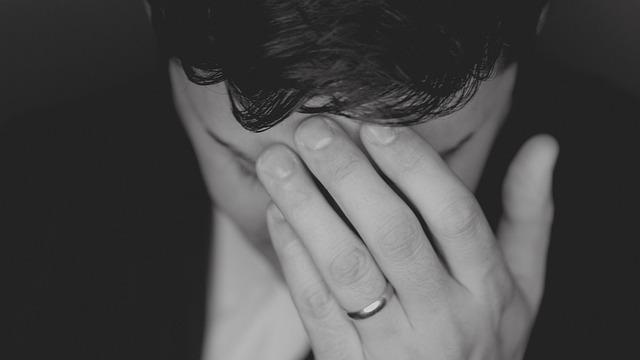
Photo © Pixabay
Psychological effects of sexual assault
Many sexual assault survivors deal with serious psychological and physical consequences in both the short- and long-term. These may include:
- Physical injury
- Fear, anxiety, and despair
- Post-traumatic stress disorder
- Low self-esteem
- Suicidal ideation
- Difficulties with social and romantic relationships
- Substance abuse
Support from peers, medical professionals, and advocacy organizations can help survivors move forward after sexual abuse. For some, pursuing legal action against their abuser can also help provide the closure they need to recover.

Photo © Pixabay
Shame and sexual abuse
Survivors of sexual assault may fear the social consequences of abuse, including the stigma of being seen as a “victim,” hostility from authority figures, losing their job, and being shunned by their communities. While social attitudes about abuse are changing, sometimes survivors do face negative reactions from the people around them.
Shame can be a particularly difficult thing to grapple with for many survivors. They may feel like the abuse was their fault or fear they will be blamed if they report what happened. Due to a combination of these factors, the vast majority of sexual assault goes unreported.
Male survivors of sexual abuse
According to RAINN, at least 1 in 6 men have experienced sexual violence. Studies show that information and support for survivors of male sexual assault is about 20 years behind that for women and between 90 and 95% of sexual assaults against men are never reported.
Abuse affects men just as much as it does women. Sexual assault can lead to long-term emotional consequences, including problems with mental health, difficulty with relationships and intimacy, substance abuse, and problems at school or work. In addition, men often deal with increased fear of being ridiculed or not being believed. They may fear that their sexuality or masculinity will be questioned or struggle with the misconception that men cannot be raped. Men who have experienced sexual assault are more often invalidated by medical professionals, police, and peers, which can be re-traumatizing.
However, many advocacy groups are fighting for increased resources and support for male survivors. Individuals and organizations are raising awareness about this issue and working to make sure that no one who has been sexually assaulted has to face recovery alone. Wallace Miller helps men who have been abused seek justice in the way that works best for them. We prioritize confidentiality and moving at each client’s pace to make sure that seeking justice reflects the wishes of individual survivors.
Advocacy for all survivors
The Survivor Advocacy team at Wallace Miller is here to advocate for all survivors, regardless of their identity. No matter who the survivor is, abuse is abuse, and it is never the survivor’s fault.
Sexual abuse and violence is not just a women’s issue. We work to help all clients get the closure and compensation they need to move forward and fight to make sure that the systems that enable abuse are not allowed to continue.

Photo © Pixabay