

Meet Attorney Stephen J. Pigozzi
What did you do before you went to law school?
I graduated college in ’07, which was the economic recession. I worked at restaurants for a few years and then I became an AmeriCorps member at a nonprofit in Humboldt Park called the Association House of Chicago. I did workforce development, so I was helping to get people jobs.
Through that work, I encountered a lot of people having their rights trampled on by employers, creditors, and groups like that. That motivated me to make the transition to the legal field, take the LSAT, and start the process to become an attorney.
During law school I progressed from an employee of the nonprofit to the workforce development supervisor. I wanted to continue working during school to avoid having a lot of debt, so I worked during the day and went to class at night. It was very tiring, but I was proud that I did it.
Tell me a little bit about the mass arbitration cases you’ll be working on at Wallace Miller.
In essence, every consumer contract is governed by arbitration nowadays. For example, we’re doing a case against a rideshare company for misclassification, basically asserting that their drivers are not independent contractors. The company controls every aspect of their employment, so therefore they should be classified as employees. But because they signed arbitration agreements as part of their jobs, they can’t bring a class action lawsuit.
So we’ve retained thousands of drivers and we’re ready to file individual arbitrations. We are also investigating cases involving illegal gambling, junk fees, and data privacy matters. This is an expanding area Wallace Miller is getting involved with, along with some other firms. It’s exciting coming into it, because I’ve been interested in doing this for a while.
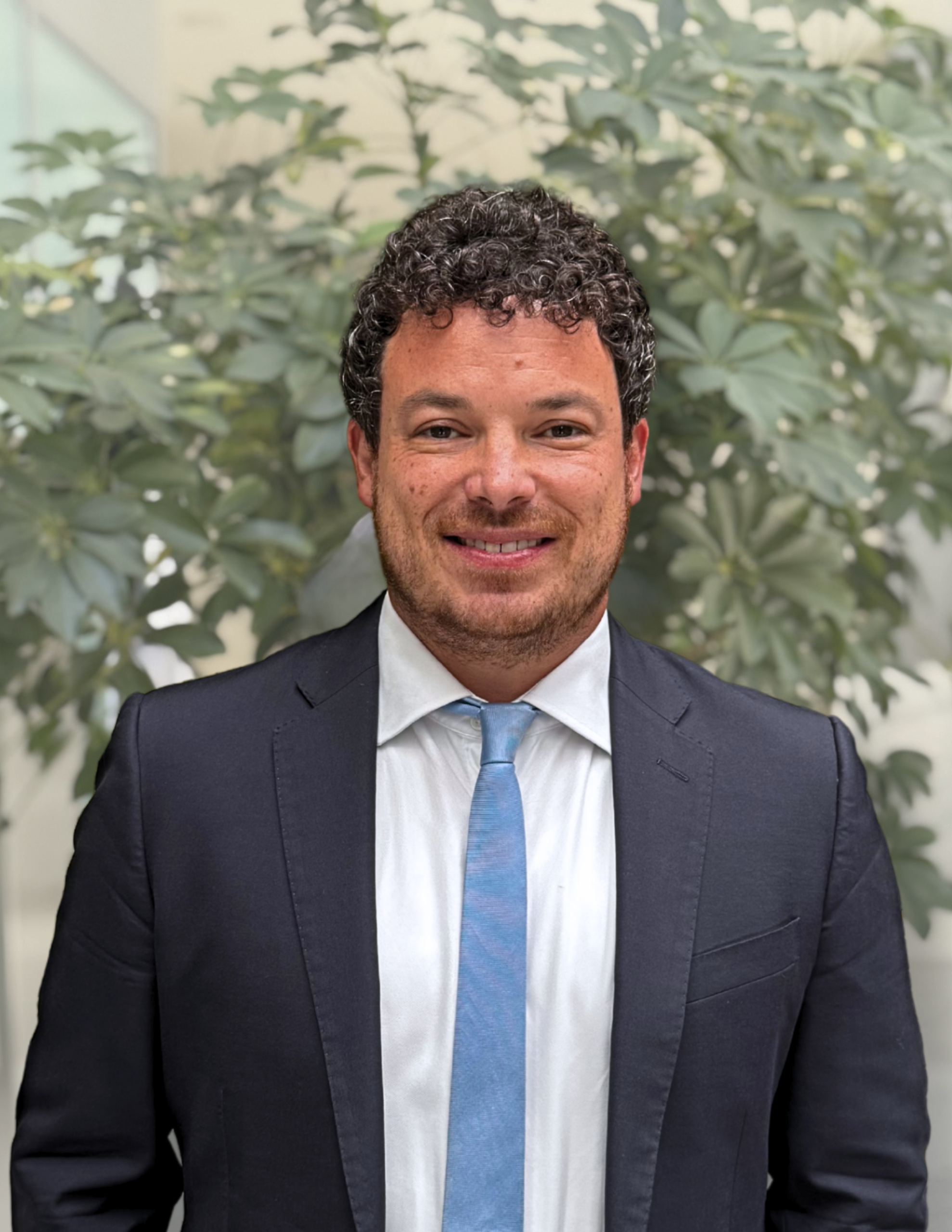
Attorney Stephen J. Pigozzi
What got you interested in this area of law?
I don’t like the idea of large companies behaving with impunity, essentially telling their customers or employees, “I can do whatever I want and if you want to litigate against me, you have to do so by yourself in an unaccountable private court.” This has been allowed to happen in our legal system since around the early aughts. Plaintiffs’ attorneys used to be able to file class action claims on behalf of wronged consumers and employees, but this avenue has been foreclosed in many common contracts because people sign arbitration agreements without even knowing it.
I don’t think that’s right. I’m glad to enter this practice area and be able to hold powerful companies accountable.
What has transitioning into the legal field been like?
I hit the ground running. My first job as a lawyer was with the Cook County State’s Attorney. I didn’t want to be a prosecutor—I was recruited to the State’s Attorney’s office out of law school with the idea of being an employment attorney in the civil division. However, when I passed the bar I was assigned to the misdemeanor division in Rolling Meadows.
On my second day as a lawyer, I did a trial. During my time there I litigated around 75 trials, so I got invaluable experience in the courtroom. The State’s Attorney’s office has excellent trial advocacy training and I really benefitted from that.
After my time with the State’s Attorney, I took a position at a consumer rights firm where I met Matthew Goldstein and Julia Ozello. I worked with them for a few years before going to another firm where I mostly worked on data breach cases before coming to Wallace Miller.
What do you find most challenging about this area of law?
Generally speaking, in civil practice, it can be challenging to maintain contact with clients. Whether you’re doing data privacy or another type of case in the consumer class action space, the lawsuits can go on for a long time and sometimes people can become disengaged. I make it a point to have as much contact with the client as necessary to build a trusting relationship.
In your career so far, what work have you been most proud of?
I’ve gotten some great orders in court by winning some motions to dismiss I am really proud of. When I did debt collection defense, getting people out of debt, I had clients crying because I was able to tell them that they didn’t have to pay the student loan that a collector was trying to get. Those are moments in my career I’m proud of.
What do you think most people don’t understand about being a lawyer?
People think it’s like TV shows. It’s not really like that. It’s a lot less time in court. I put on a suit and go into court for a non-status appearance only a few times a year. That’s a very small part of the practice.
It’s a lot of briefing and thinking through complex issues. And it’s especially helpful to have a good team of people you’ve worked with before to talk things through with.
What skills do you value most in the people you work with? What do you value most in your own work?
Good communication skills. Being someone who is personable and plays well with others goes a long way. In plaintiffs-side work, you have to work with a lot of co-counsels. So if you’re egotistical or you’re not working in a collaborative spirit, it makes a case a lot more difficult. It’s also important to have a good work ethic.
It helps to be reasonable. Setting expectations is really important—with clients, with co-counsels, and with each other. Demanding the pie in the sky is almost never going to happen. And explaining to the client what a case can achieve is very important, setting expectations realistically at the beginning.
What is the most important aspect of practicing law?
I became a lawyer to vindicate the rights of the less fortunate, and that’s what’s most important to me. I see those values reflected here, and that’s why I joined the firm.