

Meet Controller Nichole Soto
Reviewed by Nichole Soto
What does being a controller entail?
In the legal field, it entails everything from financial management and keeping the integrity of the books to human resources and helping the firm’s organization management. It’s making sure that different teams are talking to people and answering higher-level questions. When it comes to financial management, it’s financial reporting that keeps the partners abreast of the financials and providing approvals for case-associated costs. And finally, a big piece is settlement coordination—ensuring that whenever new settlements are coming through, everybody knows exactly what the protocols are. Then managing that money to make sure that everything that’s coming in is going out, penny for penny, and there’s no reconciliation issues at the end of the day.
How has your role at the firm evolved over time?
I started as a part-time data entry bookkeeper while I was in school. The controller at the time was stepping back, so she trained me and taught me everything legal accounting-wise. I ended up stepping back from school and working full time and learning the ropes from the other controller. When she stepped down, they promoted me to controller. It’s an important position to make sure that you have 100% trust in that person, to make sure that everything is above-board. Transparency is key. And I think because I always gave the attorneys I worked with more information than what they wanted to see, they were able to trust that I was doing the right thing and had the firm’s best interests at heart.
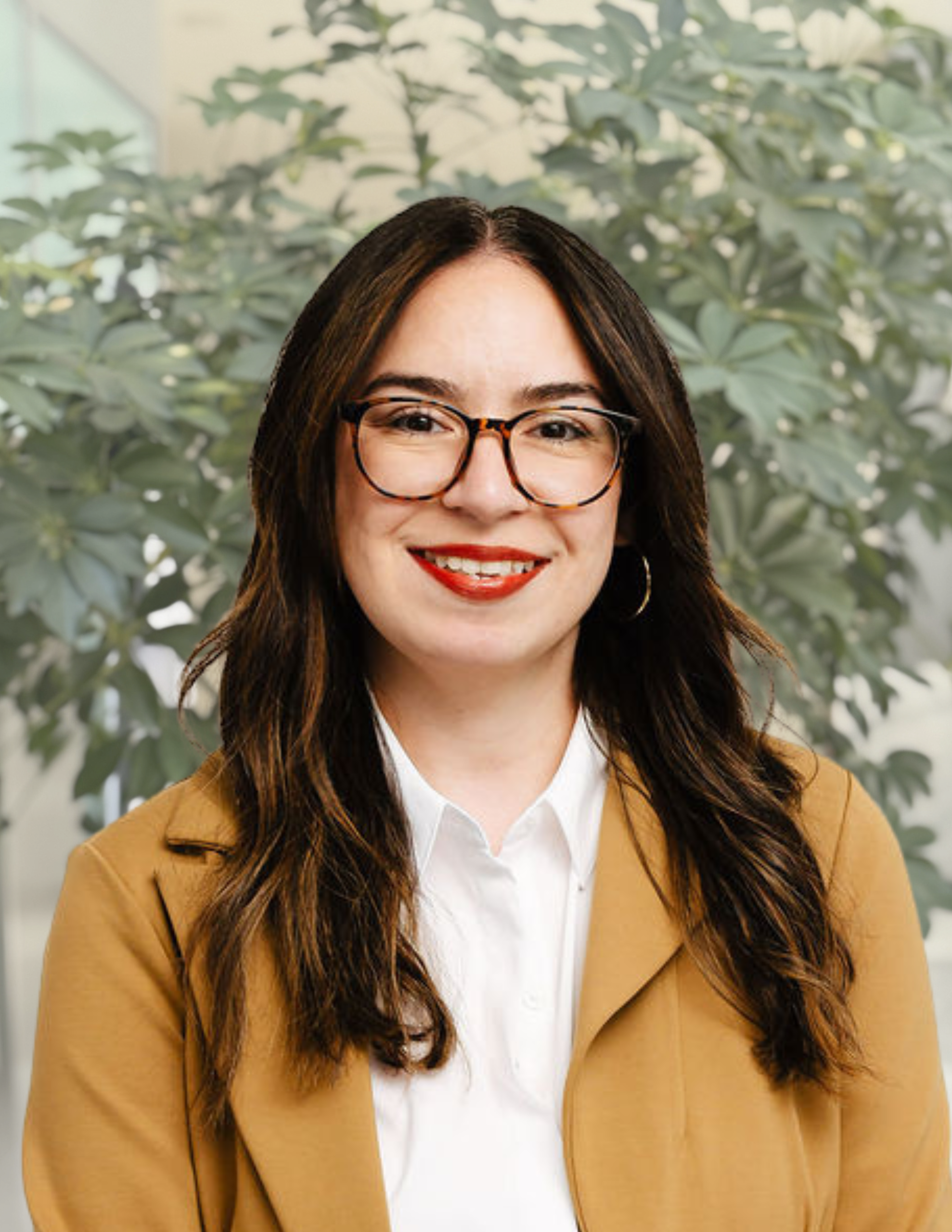
Controller Nichole Soto
What has it been like working at Wallace Miller as the firm has expanded?
It’s been a learning curve. The curve was mostly through getting to know people and know their skill set, and making sure we match their skill set with their position. We often pull people from different backgrounds, and I’m very much a proponent of that. My background is in biology, and I’m doing financial and organizational management. Sometimes your experience leads you to be really good at something that has nothing to do with your educational background. When we were talking about expanding the firm, that became really apparent. It was a good opportunity for us to learn that a resume is a piece of paper that’s going to give you some insight into a person, but it’s not until you sit in front of them and get to know them that you can find out what they can really excel at. That’s really important to successful business growth, because you can’t just remain in one lane. If you’re going to grow as fast as we have, you have to be flexible and open to other options.
What insights have you gained about the legal system through this position?
I’ve learned that going up against big corporations like we do takes not only a lot of money and time, but a really deep belief in the fight. In some of these cases, we’re going up against defense law firms that have unlimited employees to staff onto the case and a lot of money to pour into experts. And I’m sitting here from a financial perspective monitoring costs and conveying to the attorneys when we’ve reached certain benchmarks in the case cost. We’re smart about it, and we have a really good track record of pushing through cases and settling or going to trial and getting some great wins. And that’s because our attorneys know the law and we work well together.
What do you wish that people outside the legal field knew more about?
I wish people knew that the fees incurred on their case are there to ensure their case is given the attention it deserves. The fees are incurred because the day-to-day takes a lot of time. It isn’t just attorney time, but everyone in the background—the people transcribing your records, the people doing record reviews, the people making sure your sensitive information is kept safe and private. All of that takes a lot of time. And so when we’re talking about the fees involved or the costs incurred, it’s because there are a lot of people touching your case that you might not see. These big corporations really are trying their best to make sure your case never sees the light of day. They take up our time with requests and filings in order to get your case thrown out. It takes a lot of work from everybody at the firm to make sure you get the time you’re owed in court.
You’re very involved in your community. What volunteer work have you found particularly meaningful?
My work during the migrant crisis a few years ago. Governor Abbott in Texas was busing and flying people to Chicago without telling them where they were going, without any supplies, literally with the clothes on their back. When I first got involved, it was springtime. It was cold. And this was when it finally started making frontline news. I’ve always known that immigration is an important topic for me. I’m from Puerto Rico, so I haven’t had to deal with paperwork and being blocked at the border. But I understand why people leave their homeland for a different opportunity. Seeing people being treated as less-than just because they’re from another country, and not giving them access to basic human needs, like clean clothes and a shower and food in their hands and somewhere to wait that’s warm—it was really important to me to go out and help and get connected to people who are on the ground helping, so that we can prevent people from sleeping outside on the ground for an unknown amount of time. That was the most rewarding work that I’ve done. I found like-minded people and a great community who wanted to do the same thing as I did and wanted to be there for no other reason than to help people figure out their next step.
What keeps you motivated?
Seeing the outcome of my different focuses and passions, and seeing how that is helping and has helped other people. During the migrant crisis, I was able to meet people when they arrived here and were sleeping in the police district for two months, and then see them get into a shelter system, and then make sure they got from a shelter system to their own apartment and got a job. Seeing that long stretch of road for them and seeing them make a new life has been such an impactful thing, because it shows that it can happen. If you have people that are willing to lend a hand during this really hard time in a person’s life, then all of the work is worth it in the end. It’s the same with our cases. We often talk to people who are at their most vulnerable. We’re able to say, first, that we’re holding people accountable who refuse to admit to any wrongdoing. That’s the first step, because we have to tell companies that this is not okay and that they can’t do it again. And second, we’re able to get our clients some stability in their lives so that they can process what happened during this awful event and what could be a lifelong issue. After a settlement or verdict, hopefully they have the stability and money that can help them in the next phase of their life and recovery. The impact and burden is a little bit lighter. That’s really what makes it all worth it.
Read more about Nichole in her bio.