

Was My Leukemia Caused by Work? Understanding Benzene Exposure and AML
Years of scientific research have linked benzene to acute myeloid leukemia (AML), a cancer that starts in bone marrow and blood cells. If you have been diagnosed with AML and worked in an industry linked to benzene exposure, your cancer may have been caused by the chemical.
Wallace Miller can help you identify the source of your exposure and identify your options for legal action. Contact our dedicated team of benzene exposure attorneys at 331-425-8022 or fill out our online case evaluation to find out more about your options.
Table of Contents
How are people exposed to benzene?
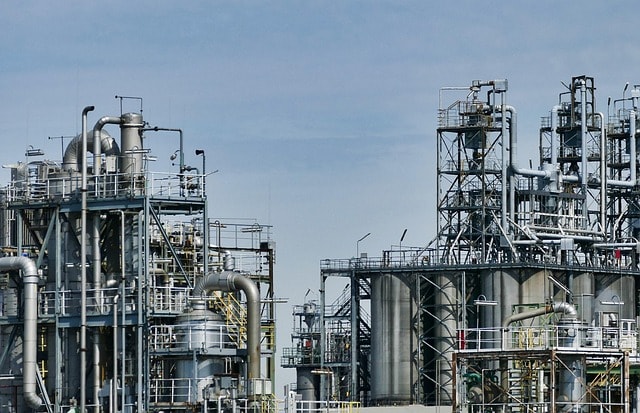
Benzene exposure usually occurs through inhaling the chemical, though in some cases it can be absorbed through the skin. Low levels of benzene are common, especially in areas with pollutants, gasoline fumes, car exhaust, secondhand smoke, or smoke from natural disasters like forest fires. Many people are exposed to benzene through cigarette smoke and community exposure can occur as a result of factory emissions and industrial wastewater.
However, the highest levels of benzene exposure typically occur in the workplace. Occupational exposure to benzene poses a significant danger to individuals who work with gasoline and petroleum, manufacture or utilize chemical agents, or use products containing benzene.
Who is at risk of occupational benzene exposure?
Workers at the highest risk of exposure are those in industries that produce or use benzene. These include industries that produce, refine, distribute, and sell oil and gas and industries where petroleum products and other benzene-containing chemicals are used.
Workers in oil refining industries
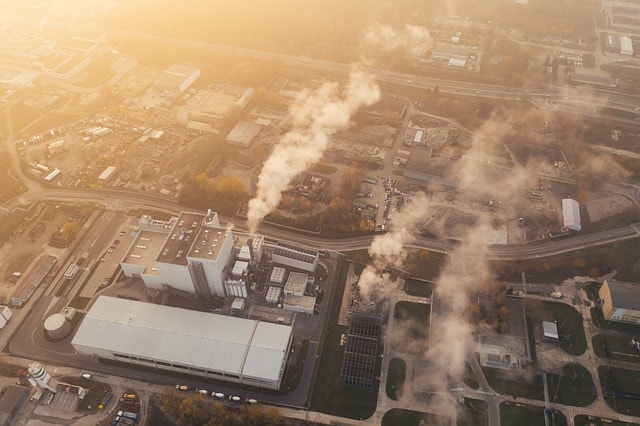
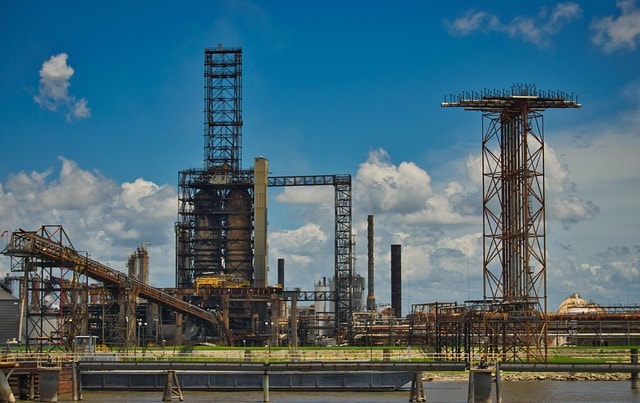
Benzene is a natural component of crude oil and petrochemical products are the main source of benzene produced today. People who work at oil refineries or transport and work with crude oil and gasoline are at high risk for benzene exposure.
Workers in chemical and pharmaceutical industries
Benzene is a common solvent in the production of chemicals and pharmaceuticals. Products made using benzene include lubricants, dyes, detergents, drugs, and pesticides. While these products may be safe for consumers, workers involved in their manufacturing at chemical plants are exposed to dangerously high levels of benzene.
Workers in manufacturing
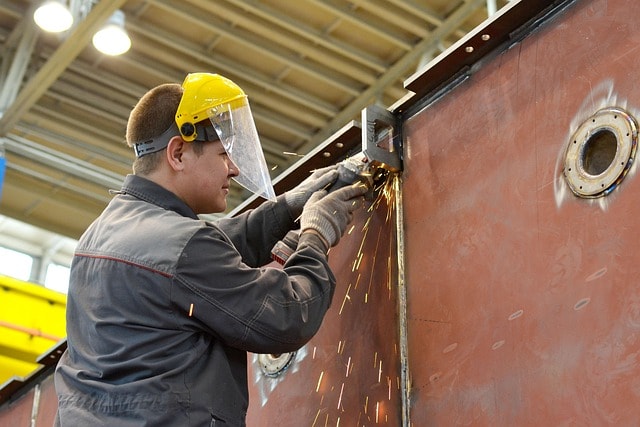
Benzene is used to manufacture a wide variety of products in the U.S. and around the world. Employees in these industries have an increased risk of developing cancer and other blood disorders as a result of benzene exposure.
These industries include:
- Plastics production, including manufacturing the raw material for nylon, polystyrene, and epoxy resins
- Shoe manufacturing
- Rubber industries, including synthetic rubber and tire production
- Steel manufacturing
- Coal chemical manufacturing
- Printing industries
Workers exposed to high levels of gasoline or exhaust
People whose jobs involve working with gasoline fumes or car exhaust have a greater risk of developing blood cancers and other health conditions related to benzene exposure. Individuals with high-risk jobs include:
- Bus drivers and garage employees
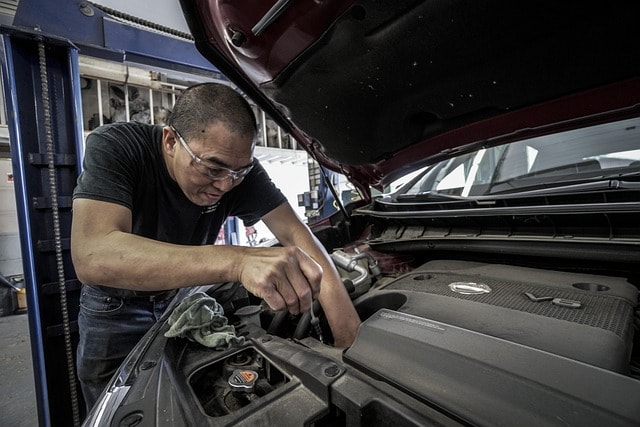
- Mechanics and workers at auto repair or maintenance shops
- Gas station employees
- Taxi and limousine drivers
- Delivery drivers
- Truck drivers
- Workers on ships and tankers

Workers exposed to benzene in other occupations
Because benzene is used in so many products and processes, many occupations carry a risk of exposure. Other jobs with a high risk of benzene exposure include:
- Painters, through exposure to solvents, paints, and other products
- Laboratory technicians, through working with a variety of chemicals containing benzene
- Firefighters, through exposure to benzene in smoke
Consequences of benzene exposure
Inhaling benzene or absorbing it through the skin can have serious short- and long-term health consequences. While any exposure to benzene can be dangerous, these risks are compounded by repeated exposure over time.
Immediate health problems caused by benzene exposure
In the short term, exposure to dangerous amounts of benzene can lead to benzene poisoning. While symptoms vary depending on whether the benzene was inhaled, absorbed, or swallowed, poisoning can cause dizziness, drowsiness, a fast or irregular heartbeat, convulsions, unconsciousness, and even death.
Long-term consequences of exposure to benzene
Exposure to benzene over months or years can have serious consequences for your health. Over time, benzene damages cell function, particularly in blood and bone marrow cells. This can lead to conditions including anemia, low white blood cell count, low blood platelet count, and harm to reproductive organs.
In addition to these health effects, research over decades has shown that long-term exposure to benzene is linked to a higher risk of leukemia, particularly acute myeloid leukemia (AML).
What is acute myeloid leukemia (AML)?
Acute myeloid leukemia is a type of leukemia, or blood cancer, that can be caused by benzene exposure. AML starts in bone marrow and blood cells and can spread quickly to other parts of the body, including the spinal cord, brain, and skin.
An estimated 22,000 people in the U.S. will be diagnosed with AML in 2025. Because the cancer develops so quickly, fast treatment is essential. Fortunately, with treatment, between 50% and 80% of people diagnosed with acute myeloid leukemia reach complete remission.
Who can be held responsible for exposure to benzene in the workplace?
Benzene is closely regulated through federal and state regulations passed to limit exposure in recent decades. The EPA limits what percentage of benzene can be in gasoline and drinking water, while the Consumer Product Safety Commission (CPSC) requires special labels for any products that contain more than 5% benzene by weight.
Occupational exposure is regulated by the Occupational Safety & Health Administration (OSHA) in most workplaces. According to state and federal law, employers are responsible for their employees’ occupational safety. Benzene exposure cannot exceed certain limits, and workplaces must take safety measures including providing personal protective equipment to make sure their employees are not harmed by the chemical.
However, some companies skirt OSHA regulations and put their employees at risk. If you were exposed to benzene in the workplace, you may be able to file a lawsuit against the companies who manufactured, processed, supplied, or sold the chemical.

Contact Wallace Miller about your benzene exposure
Companies too often prioritize their profits over the safety of their employees. The team at Wallace Miller fights to make sure that hardworking people harmed through the carelessness of manufacturers, employers, and other businesses get the compensation that they need to recover and move forward.
If you have been diagnosed with acute myeloid leukemia and think you may have been exposed to benzene, reach out to our litigation team at 331-425-8022 or via our online case evaluation. We can help you assess potential sources of exposure and discuss the best path forward for your potential lawsuit.