

Proving Fault When Winter Weather Complicates Illinois Car Accident Liability
Reviewed by Nicholas P. Kelly, Esq.
Winter weather can make driving in Illinois more difficult and less predictable. Snow, ice, freezing rain, and reduced visibility often alter how crashes occur and how fault is evaluated. When a collision happens during winter conditions, insurance companies and defense attorneys may try to shift blame away from drivers by pointing to the weather.
That makes it essential for injured people to understand how fault is determined when road conditions are involved. Winter weather does not excuse careless or unsafe driving. It simply changes the context in which driver behavior is judged. In many cases, weather makes safe driving even more important
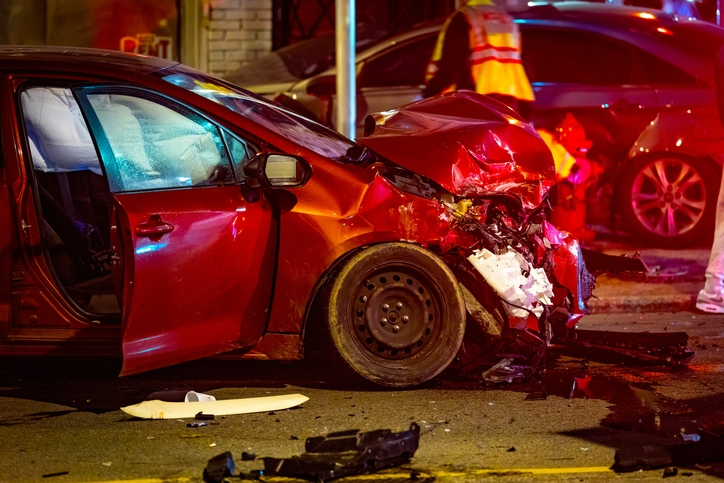
Why winter weather changes how fault is analyzed
Cold weather affects nearly every part of driving. Roads may become slick, visibility can drop, and vehicles may take longer to stop. These conditions can raise new questions about what a reasonable driver should have done before and during a crash. When a driver is involved in a winter accident, fault is determined by whether they exercised reasonable care, even when weather conditions are poor. Some examples of how weather affects fault may include:
- Driving too fast on icy or snowy roads.
- Following too closely when stopping distances are longer.
- Failing to clear snow or ice from windows, mirrors, and lights.
- Losing control because of sudden braking or sharp turns.
Even when ice or snow is present, drivers may still be held responsible if their actions were unsafe under the circumstances.
How insurance companies may use weather to dispute fault
After a winter crash, insurers may argue that the weather was the actual cause of the collision. They may claim that ice, snow, or low visibility made the crash unavoidable. This argument may be misleading. While the weather can contribute to a crash, it does not automatically shift responsibility. A driver who speeds, tailgates, or fails to adjust to road conditions may still be considered at fault. Insurance adjusters may try to suggest:
- No one could have avoided the crash because of the weather.
- Both drivers were equally responsible.
- The injured driver should have driven more carefully.
These arguments may be used to reduce or deny compensation, even when another driver’s behavior played a significant role in a crash.
Evidence that can help show fault in winter crashes
Proving fault in a winter accident often depends on evidence showing how the collision occurred and how each driver was behaving. Weather makes this evidence even more important. Helpful evidence may include:
- Police reports describing road conditions and driver statements.
- Photographs or video of the scene, including skid marks and ice.
- Traffic camera or dashcam footage.
- Witness statements about how the vehicles were moving.
- Weather and road condition records.
This type of information can help show whether a driver failed to slow down, left too little space, or made unsafe maneuvers despite the weather.
How Illinois law handles fault in winter car accidents
Illinois uses a modified comparative fault system. This means that more than one party can share responsibility for a crash. A person may still recover damages if they are found to be less than 50 percent at fault. In winter crashes, this often leads to arguments about how much the weather compared to each driver contributed to the collision. For example, one driver may have lost control on the ice, while another may have been following too closely. Because fault can be divided, even partial responsibility assigned to another driver may allow an injured person to pursue compensation.
Why winter crashes are often more complex
Winter accidents can be more complicated to investigate than crashes in clear weather. Snow may cover skid marks. Ice may melt before evidence can be documented. Vehicles may be moved quickly to clear the road. These factors can make it easier for insurers to question what really happened. That is one reason winter weather cases often require a careful review of all available evidence.
How our attorneys can help in winter accident cases
When winter weather is involved, proving fault often requires more than a simple claim form. Our attorneys review police reports, collect evidence, and analyze how road conditions and driver behavior came together. This process may include:
- Examining how fast drivers were traveling compared to conditions.
- Reviewing whether drivers had enough space to stop safely.
- Looking for signs of careless or distracted driving.
- Identifying whether road maintenance or vehicle issues were involved.
By building a clear picture of what happened, our attorneys demonstrate how fault should be assigned under Illinois law.
When to seek legal guidance after a winter crash
If you were injured in a crash during snow, ice, or freezing rain, it can be hard to know how fault will be handled. Insurance companies may seek to limit payouts by citing weather or shifting responsibility. Speaking with our Chicago personal injury attorneys may help you understand how the law applies to your situation and what options are available.
If you were injured in a winter car accident in Illinois, contact Wallace Miller at 312-261-6193 or complete our online form to discuss your situation. Our attorneys can review what happened and explain how fault is determined under state law.

Related Blogs

Copyright © 2026. Wallace Miller. All rights reserved.
Copyright © 2026. Wallace Miller. All rights reserved.