

Silicosis
The Wallace Miller team is investigating cases of silicosis and seeking to hold manufacturers and employers accountable for exposure. Reach out to our team at 331-425-8022 or fill out our online case evaluation for a free, confidential discussion of your potential case.
Silicosis often takes years or even decades to manifest, although higher levels of exposure may result in faster development of the disease. Symptoms can range from mild to severe and may require serious medical intervention, including supplemental oxygen or lung transplants. Silicosis can also be fatal. The Occupational Safety and Health Administration (OSHA) estimates that between 3,600 and 7,300 cases are diagnosed each year in the U.S., with between 200 and 300 deaths. That number is expected to rise as awareness grows.
Table of Contents
Silica Dust Linked to Lung Disease: Seeking Justice for Silicosis from Workplace Exposure
What is silica dust?
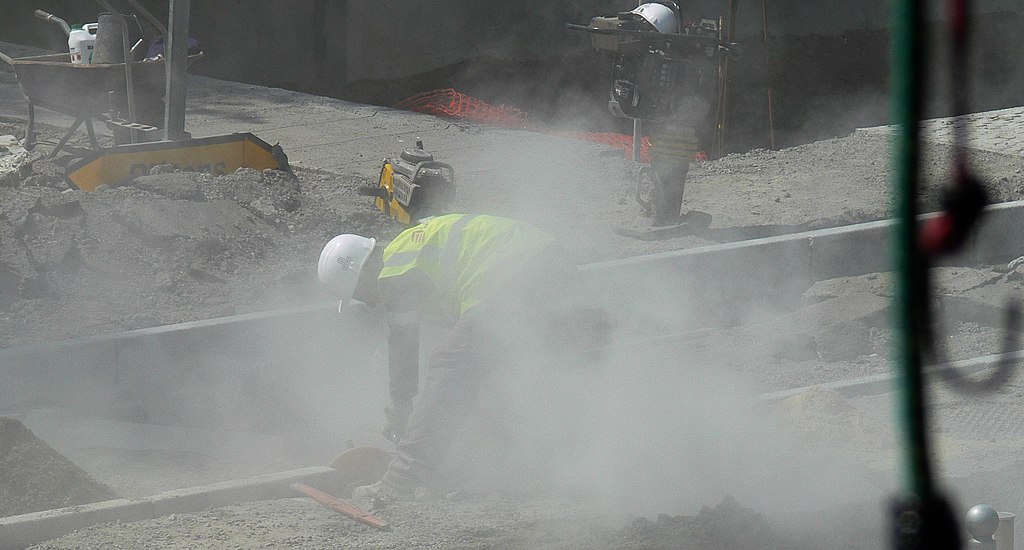
Crystalline silica is a common mineral found in the earth’s crust. It is contained in many building materials including stone, concrete, and mortar and is used to make artificial or engineered stone. Engineered stone, including quartz, marble, granite, and sandstone, contains high levels of silica. When these products are processed, ground, or cut, microscopic silica dust particles are released into the air.
This dust, also called respirable crystalline silica (RCS), is 100 times smaller than a grain of sand. Without proper safety precautions, workers inhale this silica dust and can develop serious lung diseases including silicosis. According to the Centers for Disease Control and Prevention, millions of workers in the U.S. are exposed to RCS every year.
There are several risk factors for mesothelioma, including genetic risk and prior radiation therapy to the chest. However, by far the most significant risk factor in mesothelioma cases is a history of exposure to asbestos or living with someone who has been exposed to asbestos.
Types of engineered stone linked to silicosis
Engineered stone countertops have become very popular in recent years. This type of stone contains large amounts of silica, which results in higher levels of airborne silica dust particles when cut. These countertops, some of which contain more than 90% silica, have been linked to a recent spike in serious silicosis cases across the country.
The products with the highest level of silica exposure risk include:
- Engineered stone quartz, manufactured by brands including Cambria, Caesarstone, Cosentino, and Colorquartz
- Natural stone, including granite and marble
- Sandblasting media or silica sand
These products often release silica dust during the cutting, shaping, grinding, and finishing processes. Workers exposed to dust may have used tools including:
- Circular saws
- Bridge saws
- Hand grinders
- Handheld polishers
Types of silicosis
Silicosis is classified based on the level of exposure and how fast the disease develops. Types of silicosis include:
Chronic silicosis
Subacute or accelerated silicosis
Acute silicosis
Lamiot, CC BY 3.0, via Wikimedia Commons
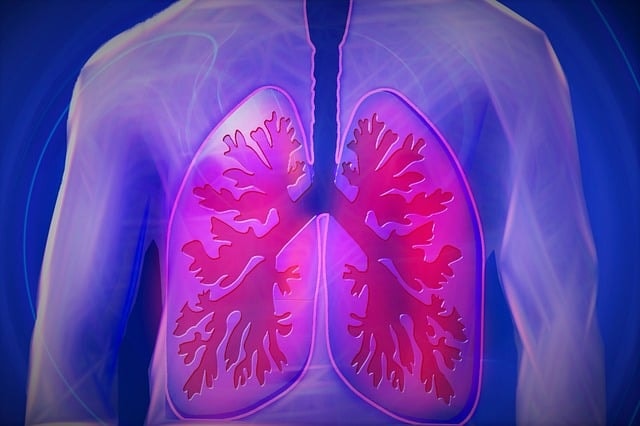
Photo © Pixabay
Symptoms of silicosis
Since silicosis often develops slowly, symptoms may initially be mild and worsen over time. These symptoms include:
- Persistent cough
- Coughing up phlegm or pink foam
- Shortness of breath
- Chest pain
- Fatigue
- Muscle weakness
Secondary conditions in people diagnosed with silicosis
By attacking immune cells in the lungs, silicosis damages the immune system. This makes people with silicosis more vulnerable to other diseases and conditions, including:
- Lung cancer
- Chronic obstructive pulmonary disease (COPD)
- Emphysema
- Kidney disease
- Tuberculosis (TB)
- Autoimmune diseases
Management of silicosis
There is no treatment or cure for silicosis and the damage to the lungs can’t be reversed. However, in many cases, symptoms can be managed. Management of silicosis may include:
- Lifestyle changes, like changing jobs or quitting smoking
- Taking a bronchodilator, a medication that opens airways
- Using supplemental oxygen
- Going through pulmonary rehabilitation to strengthen breathing muscles
- Lung transplants in severe cases
The legal basis for silicosis lawsuits
Who can file a silicosis lawsuit?
If you or a loved one have been exposed to silica dust working as a stone fabricator or in the stone fabrication industry and have since developed silicosis, you may be able to pursue a civil lawsuit. Our team can help you discuss the circumstances of your exposure and determine the best legal path forward.
Filing a wrongful death silicosis lawsuit
While no amount of money can make up for losing a loved one, wrongful death lawsuits help alleviate financial pressure and allow families to move forward. The legal team at Wallace Miller can help you assess the options for a civil suit and determine the best way to pursue justice.
Who can be held responsible in a silicosis lawsuit?
In 2022, about a quarter of workplaces tested by OSHA exceeded the legal limits for silica dust. Employers are legally required to monitor air levels and provide employees with safety measures, which may include:
- Wet methods (methods that involve water feeds to keep dust down) for cutting, grinding, or processing
- Ventilation, dust collection, or local exhaust systems
- Respirators
- Other engineering controls
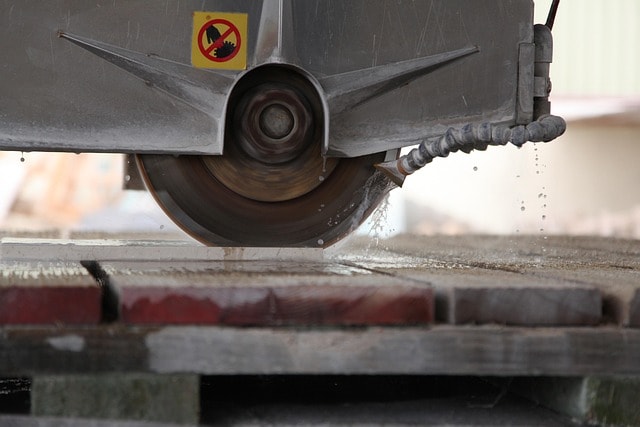
Photo © Pixabay
Q&A
What is silicosis?
What are the symptoms of silicosis?
Who can file a silicosis lawsuit?
Related Blogs
Contact
The silicosis lawsuit team at Wallace Miller
Workers in the stone-cutting and countertop fabrication industry trusted that manufacturers and employers would follow safety precautions and warn them of exposure risks. Instead, these companies put workers in danger of developing serious and life-threatening diseases.
If you have received a silicosis diagnosis, you and your family deserve justice. The Wallace Miller litigation team can help you investigate where and when you were exposed to silica and identify the best way to seek compensation.
Reach out to our team at 331-425-8022 or fill out our online case evaluation for a free, confidential consultation. Our silicosis lawsuit team will work with you to assess your case and determine how to move forward within the legal process.
Tell Us Your Story
"*" indicates required fields