

Sexual Abuse in Illinois Youth Centers
Hundreds of Illinois residents who were incarcerated as children and teens are bringing lawsuits against the State of Illinois and the Illinois justice system alleging widespread sexual abuse at juvenile detention centers. The plaintiffs allege that staff members, correctional officers, guards, and other inmates were part of a system of sexual abuse and violence for decades at Illinois Youth Centers (IYCs), including IYC – Chicago, IYC – Harrisburg, IYC – Joliet, IYC – Kewanee, IYC – Murphysboro, IYC – Pere Marquette, the Phoenix Emerging Adult Career & Education (PEACE) Center at St. Charles (formerly IYC – St. Charles), and IYC – Warrenville.
These lawsuits have highlighted a pattern of sex abuse and violence by staff at Illinois juvenile detention centers. The Illinois juvenile justice system has failed the children and teenagers in its care, and we are working to bring forward cases that hold these perpetrators, facilities, and state organizations accountable.
Our Survivor Advocacy practice was formed to pursue justice on plaintiffs’ terms, focusing on what survivors need to heal and move forward. We have a dedicated legal team that cares deeply about each and every case. This team brings our firm’s full legal resources to bear in fighting for our clients’ cases and getting them the justice they need.
Individuals who were sexually abused at juvenile detention centers as children and teens are stepping forward to hold individual perpetrators and the system that enabled them accountable. If you suffered abuse at an Illinois Youth Center, reach out to our Survivor Advocacy team at 331-425-8022 or fill out our online case evaluation. All conversations are completely free and confidential.
The National Sexual Assault Hotline provides confidential support 24 hours a day, seven days a week. They can be reached online at online.rainn.org and by phone at 1-800-656-4673.
Table of Contents
Systemic issues with the Illinois juvenile justice system
Illinois Youth Centers, or IYCs, have faced accusations for decades of systemic problems and a culture of secrecy. The 2012 National Survey of Youth in Custody, conducted by the Department of Justice’s Bureau of Justice Statistics, found that Illinois is one of the four worst states for sexual abuse in juvenile facilities. According to the report, more than 15% of youth inmates in Illinois experienced sexual victimization while incarcerated, largely at the hands of officers and staff.
Hundreds of lawsuits have alleged that the Illinois Department of Juvenile Justice (IDJJ), which operates the Illinois Youth Centers, has failed to investigate or report abuse and engaged in cover-ups to protect its staff from repercussions. The IDJJ claims that its goal is building youth skills and strengthening families for positive outcomes—but instead, the system enables abusers to harm the children under their care.
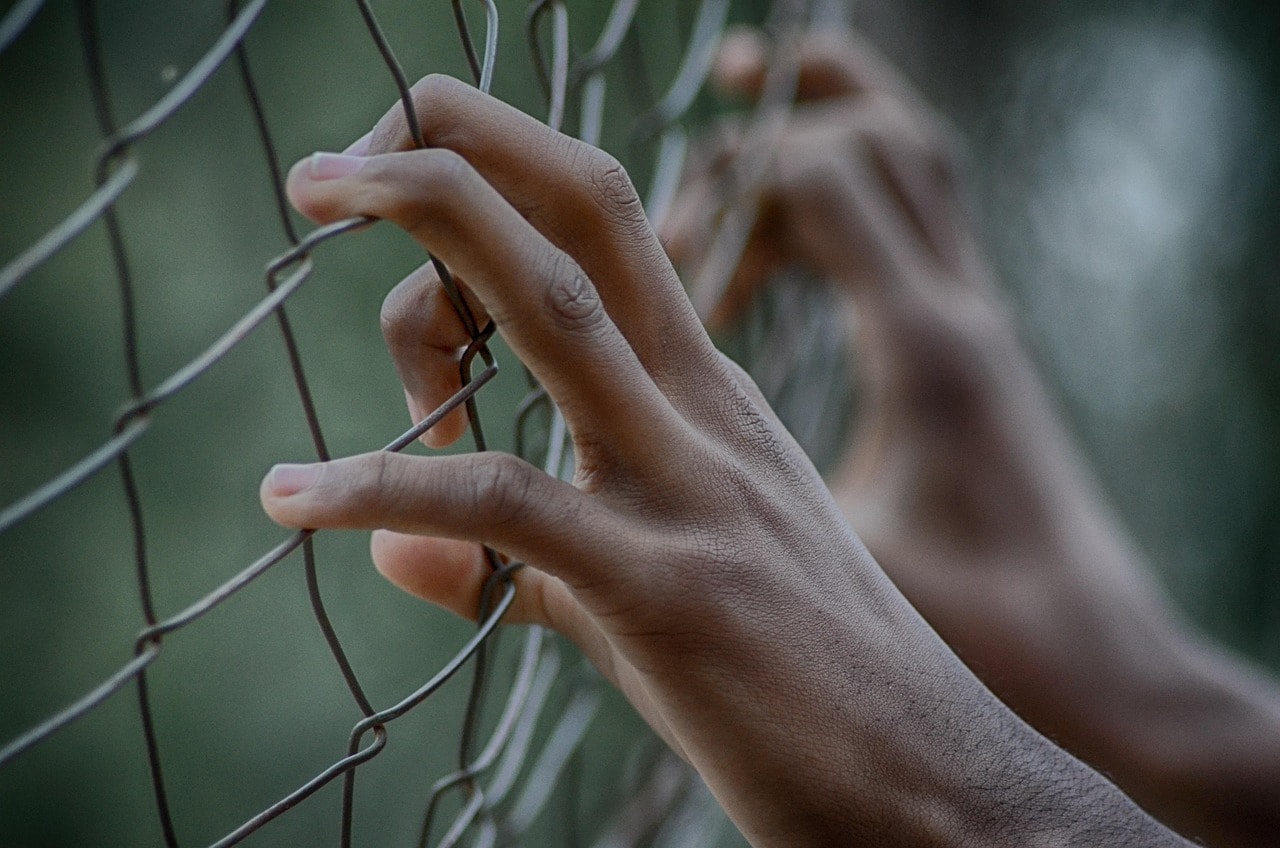
Image by Fifaliana Joy from Pixabay.
What you need to know about IYC sexual abuse lawsuits
Plaintiffs across the state continue to file lawsuits alleging neglect and abuse at Illinois Youth Centers dating back decades. More than 900 claims have been filed against Illinois juvenile facilities for the treatment of youth in their care.
In addition to naming individual perpetrators, these lawsuits also bring allegations against the Illinois Department of Corrections, the Illinois Department of Juvenile Justice (IDJJ), and individual youth centers for their failure to protect youth inmates and long history of enabling abuse.
Who can bring a case against the Illinois Youth Centers (IYCs) and the Illinois juvenile justice system?
The abuse alleged in recent lawsuits ranges from inappropriate comments and sexual threats to rape and sodomy. According to the complaints, officers threatened inmates with longer sentences, additional punishments, solitary confinement, and violence if they did not submit to sexual acts. Inmates were also sometimes offered additional privileges or shorter sentences for participation in sex acts with staff.

Image by StockSnap from Pixabay.
Allegations of abuse against Illinois Youth Centers
IYC - Chicago
In recent lawsuits, plaintiffs allege that correctional officers and staff members at IYC – Chicago abused the children and youth in their care. Reports made at the time were ignored or covered up by the facility and perpetrators continued working with children without consequence, sometimes for decades.
IYC – Harrisburg
In recent lawsuits, plaintiffs have alleged that they were the victims of rampant childhood sexual abuse at Illinois Youth Center – Harrisburg over the past several decades. IYC – Harrisburg has repeatedly faced scrutiny for a culture of abuse by staff as well as unsafe physical conditions. Relatively isolated, it has provided a haven for abusive staff members to take advantage of the children under their care.
IYC – Joliet
Now, people who were abused while detained at the facility are speaking out against the correctional officers, supervisors, and other staff who assaulted and mistreated them. Lawsuits allege that reports of abuse at the time were ignored and covered up and that IYC – Joliet and the Illinois juvenile justice system failed to protect youth inmates.
IYC - Kewanee
IYC - Murphysboro
IYC - Pere Marquette
Despite its rehabilitative goals, plaintiffs allege that staff at IYC – Pere Marquette sexually abused children and youth in their care. In recent lawsuits, survivors state that the facility systematically failed to prevent abuse and brushed off reports by inmates and families.
Phoenix Emerging Adult Career & Education (PEACE) Center at St. Charles (formerly IYC - St. Charles)
Lawsuits allege abuse at the facility spanning back decades and claim that the center failed to protect children and youth. Plaintiffs claim that reports of inappropriate conduct and sexual abuse of residents by correctional officers and staff were often ignored, with repeated abuse by the same perpetrators going unchecked for years.
IYC – Warrenville
In recent lawsuits, plaintiffs allege that the facility failed to prevent or report abuse. The lack of oversight and accountability allowed security guards, correctional officers, shift supervisors, and other staff to continue to abuse the children and youth in their care.

Image by Anja from Pixabay.
What is a sexual abuse civil lawsuit?
In a successful civil case, the plaintiff is awarded damages, or a monetary amount compensating them for the harm they suffered. While money can never make up for what someone has gone through in a sexual abuse case, it can help provide the resources to heal and move forward.
Damages can compensate people for losses including:
- Medical bills
- Cost of therapy
- Pain and suffering
- Emotional distress
- Loss of enjoyment of life
Civil cases are not only about seeking compensation for survivors. They are also about justice: making sure that the stories of those who were neglected and silenced by the system are heard. By demanding accountability, civil cases can draw attention to broken systems and force the institutions behind systemic harm to change.
Related Blogs
Contact Us
Meet the Survivor Advocacy team
The Illinois juvenile justice system failed the youth it had a responsibility to protect. These individuals deserve to have their stories heard and their abusers held accountable.
At Wallace Miller, Survivor Advocacy means standing beside survivors as they make empowered decisions about their rights, their cases, and their futures. Our team is small enough to give dedicated attention to every case we take on, and big enough to win the compensation our clients need.
Initial conversations with our team of sex abuse lawyers are completely free and hold no obligation. We take our responsibilities to survivors seriously—all information potential clients share with our team is confidential, and we only proceed with the legal action that our clients choose.
If you suffered sexual misconduct at an Illinois Youth Center, reach out to our office at 331-425-8022 or fill out our case evaluation online. Our Survivor Advocacy team can help you evaluate your potential case and talk through the best path forward.
Tell Us Your Story
"*" indicates required fields