

Religious Sexual Abuse
Churches and other religious institutions can be powerful forces of connection, faith, and healing. But when clergy and religious leaders abuse their members—and when organizations cover up or fail to prevent abuse—they violate the trust placed in them by their community. Individuals across the country are coming forward alleging abuse by the Catholic Church, the LDS Church, and other religious organizations.
The Survivor Advocacy team at Wallace Miller represents and advocates for people who have been abused by faith leaders, clergy, and other religious officials. We stand up against systems and organizations that too often allow this abuse to occur.
If you have been sexually abused by someone in a religious organization, reach out to our team at 331-425-8022 or via our online case evaluation. Our team can help walk through your options and determine the best path forward with you.
The National Sexual Assault Hotline provides confidential support 24 hours a day, seven days a week. They can be reached online at online.rainn.org and by phone at 1-800-656-4673.
Table of Contents
What qualifies as sexual abuse?
Sexual abuse is any act of sexual contact that someone suffers without their consent. Consent can refer to someone’s agreement to sexual acts, or to their legal consent. Under some circumstances—for example, if the person involved is a child—they cannot legally provide consent.
Abuse is not limited to physical acts. Sexual abuse can include rape, molestation, and assault, but may also include unwanted sexual messages, sharing pornographic images without consent, hazing, grooming, online sexual harassment, and other forms of misconduct.
While some groups are more likely to suffer sexual assault or abuse, anyone can be a victim. Wallace Miller fights for survivors regardless of gender, age, race, ability, or other factors. No matter your circumstance, sexual abuse is not okay, and it is not your fault.
Where can sexual abuse occur?
Every survivor’s story is different. In the U.S., the majority of sexual abuse is perpetrated by someone the victim knows. This is often a person in a position of power, such as a pastor, a youth group leader, a teacher, or a doctor.
The Survivor Advocacy team at Wallace Miller takes on adult and child sexual abuse cases across a broad range of contexts, including:
- Medical settings like clinics and doctors’ offices
- Rideshares, including Lyft and Uber
- Primary and secondary schools
- Colleges and universities
- Correctional facilities, including juvenile detention centers
Survivors of abuse in these situations may fear retaliation from the perpetrator or organization. They may also worry that the people around them won’t believe their side of the story. Our team has years of experience advocating for justice in cases of organizational abuse and helping our clients find a safe, fair way forward.
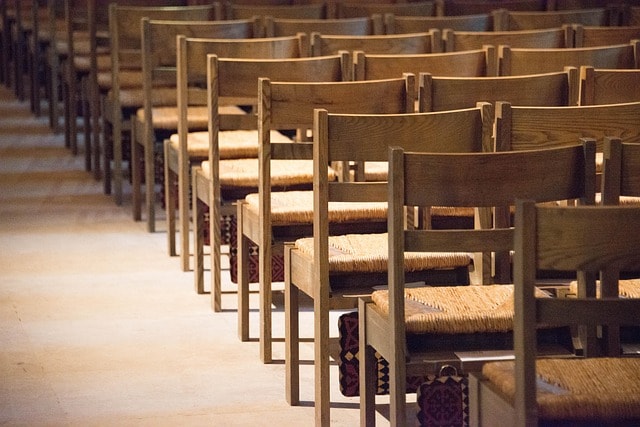
Photo © Pixabay.
Systemic sexual abuse in religious organizations
Regardless of faith or denomination, many families and individuals place their trust in religious leaders to guide them. Instead, some pastors, priests, ministers, and other clergy members abuse their power and take advantage of the people under their care.
In some cases, religious organizations and church officials attempt to cover up or enable this abuse. Instead of holding abusive priests and others accused of sexual abuse accountable, they prioritize protecting the perpetrator and the organization’s reputation. They disregard the safety of their members and attempt to prevent people from coming forward or bury the issue internally.
Factors that may increase the risk of systemic sexual abuse in a religious organization include:
- Leaders whose position of moral and spiritual authority can’t be challenged
- Lack of effective oversight
- Lack of avenues to report abuse
- Internal resolution of disputes, sometimes including confidentiality or non-disclosure agreements (NDAs)
- Isolation from the outside world and secular support systems
- Lack of knowledge about what sexual abuse can look like
- Attitudes toward sex that blame the victim or diminish the significance or severity of sexual abuse
- Male-only leadership
- Retaliation or negative consequences for the social or spiritual life of people who report abuse
- Self-policing by members of the religious group
- Refusal to accept that abuse can happen in a religious organization
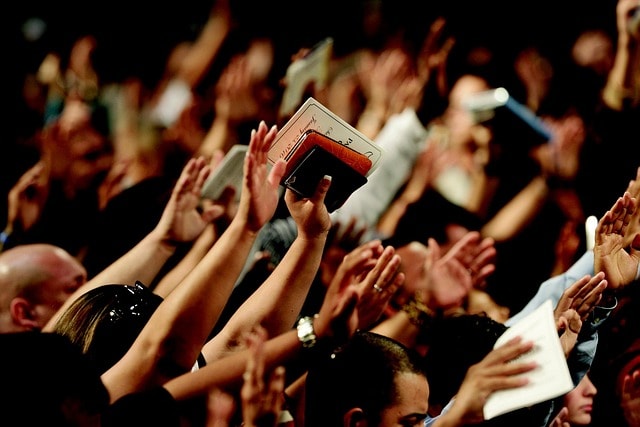
Photo © Pixabay.
The consequences of clergy sexual abuse
Sexual abuse has serious and sometimes lifelong effects on many survivors. These can include relationship difficulties, physical injury, psychological conditions, and more.
Long-term consequences of abuse on victims and survivors include:
- Physical injury and harm
- Feelings of shame, guilt, and self-blame
- Anxiety and depression
- Substance abuse
- Self-harming behaviors
- Post-traumatic stress disorder (PTSD)
- Anger
- Difficulty sleeping
- Difficulty forming relationships, both platonic and intimate
- Physical conditions including hypertension and chronic fatigue
Abuse by a religious figure may also damage an individual’s relationship with their religion, spirituality, or religious community. Especially if this abuse is denied or downplayed, they may feel disillusioned or alienated, lose their faith, or leave their community. This loss of support can be further traumatizing and make it more difficult for sexual abuse victims to recover.
People whose trust has been violated by a pastor, priest, minister, rabbi, or other member of the clergy often find it difficult to trust other authority figures. This can make it more difficult for them to report abuse or seek the help they need.
Who can file a sexual abuse lawsuit against a religious group?
In recent years, attention has grown regarding allegations of widespread abuse in religious organizations including the Catholic Church and the Mormon Church. Thousands of individuals across the U.S. have come forward with criminal and civil cases against priests, pastors, ministers, and other religious leaders who abused their congregants, as well as the organizations that covered up their crimes.
If you, a loved one, or a family member has been sexually abused by a church leader or other religious figure, you have legal options. Survivor advocacy civil cases may be filed by:
- Childhood sexual abuse survivors
- Adult survivors of childhood sex abuse
- Family members of children who have been sexually abused
- People who were sexually abused as adults
Who can you hold accountable for religious organization sexual abuse?
In a civil sexual abuse claim, you can seek to hold accountable not only the perpetrator of the abuse, but also the church or organization that enabled it. These cases rely on the allegation that the institution either knew or should have known about the abuse, and either failed to prevent it or actively sought to cover it up.
You don’t need to have all the answers before you contact Wallace Miller. Our Survivor Advocacy team works with clients to gather medical records, witness statements, and other evidence needed for a strong case. When you contact us, we will discuss your case circumstances and help you assess your options.
Photo © Pixabay.
Sexual abuse in the Catholic Church
Due to the extensive news coverage of cases of sexual abuse by Catholic priests in recent decades, many people have become aware of the prevalence of this type of religious abuse. Worldwide investigations going back more than 40 years have alleged priest sexual abuse of thousands of children and claimed that churches, dioceses, and the institution as a whole engaged in a concerted effort to cover up the abuse.
Tens of thousands of abuse victims in the U.S. alone have come forward with civil and criminal cases against priests and the organizations that enabled their abuse. The Catholic Church lawsuits have resulted in billions of dollars recovered for victims, but some priests and organizations still avoid justice. Many organizations, including the Archdioceses of Baltimore and New York, have declared bankruptcy to avoid facing the individual lawsuits against them.
Sexual abuse in the Church of Jesus Christ of Latter-day Saints
Sexual abuse lawsuits continue to be filed by individuals across the U.S. reporting abuse of children and adults in the Church of Jesus Christ of Latter-day Saints. Also known as LDS and the Mormon Church, the organization claims to handle sexual abuse internally via its “Helpline” for church leaders that learn about cases of abuse.
However, an investigation by the Associated Press revealed that the Helpline was not a way to report, investigate, and stop abuse, but rather a way of helping the church avoid lawsuits. Helpline reports were often referred to a law firm hired by the church, which then helped LDS assess its legal risk and prevent legal action from occurring.
In order to avoid expensive lawsuits and protect the Church’s reputation, church officials discouraged people from going to the police with sexual abuse allegations. Instead, the church promised to handle matters internally—but then failed to protect children and adults from ongoing assault.
Sexual abuse in other religious organizations
While the Catholic Church and Mormon Church have been engaged in the most high-profile clergy abuse investigations in the U.S., sexual abuse allegations have been made against organizations in many religions and denominations.
Evangelical Protestant church groups including the Southern Baptist Convention, the Southwestern Baptists Theological Seminary, and Sovereign Grace Ministries have faced legal action for sexual abuse by religious leaders and subsequent cover-ups. These tight-knit religious communities often reject outside investigations and may protect the abuser at the expense of the victim. The scope of the problem in Protestant churches is difficult to determine—while the centralized structure of the Catholic Church allowed cover-ups of the abuse, it also meant there were records of the institutional problems.
Civil lawsuits have also been filed against Orthodox Jewish, Jehovah’s Witness, Buddhist, and many other religious groups. It is clear that the problem of clergy sexual abuse is widespread across faiths, beliefs, and practices. If you have been sexually abused by a religious leader, you may be able to seek legal accountability.
Your options for sexual abuse civil lawsuits
In a criminal lawsuit, the person who has been harmed seeks criminal charges, jail time, fines, and other consequences for the person who harmed them. Civil lawsuits, on the other hand, seek financial compensation for the harm caused and require a lower burden of proof. Civil cases are often brought against the organization or company that allowed the abuse to occur as well as the perpetrator, and can occur alongside criminal lawsuits.
We know that money can never make up for the trauma caused by clergy sex abuse. However, it can give individuals and families the resources they need to move forward and send a message to institutions that enabling and covering up abuse is not okay.
Statutes of limitations for clergy sex abuse lawsuits
The statute of limitations is how long someone has to file a lawsuit after a crime has occurred. Many states have extended or eliminated their statutes of limitations for child sex abuse victims in recent years in order to give people who suffered from abuse as children a chance to seek justice.
Your story matters. Even if years have passed since you suffered abuse at the hands of a religious leader, you still may be able to file a civil lawsuit against the perpetrator and the organization. Our Survivor Advocacy team can help you assess the circumstances of your case and discuss the best way to pursue a child sex abuse claim.

Photo © Pixabay.
Q&A
Can I sue for religious abuse even if it happened a long time ago?
Many states have passed laws extending the time period for filing sexual abuse lawsuits. Especially if you were abused as a child, you may still be able to file a civil sex abuse claim decades later. Our team can help you assess the statute of limitations on your case.
Will my lawsuit be confidential?
The Survivor Advocacy team at Wallace Miller is committed to protecting your privacy and handling your case according to your wishes. We will work with you to make sure that your identity is protected and you have control over the lawsuit every step of the way.
What types of compensation can I receive in a sex abuse lawsuit?
Damages—or the compensation that the plaintiff receives to make up for a defendant’s wrongdoing—can be either compensatory or punitive. Compensatory damages are designed to make up for the plaintiff’s losses, including medical expenses, lost wages, and pain and suffering. Punitive damages are awarded to punish the defendant for their harmful conduct. Sex abuse lawsuits may involve both compensatory and punitive damages.
How much will my sexual abuse lawsuit cost?
We understand that financial considerations can be a significant barrier to seeking justice through sexual abuse claims. That’s why we operate on a contingency fee model—our team only gets paid if we win your case, and you never pay anything out-of-pocket.
Related Blogs
Contact Us
The Survivor Advocacy team at Wallace Miller
The Survivor Advocacy team at Wallace Miller believes that religious organizations should not be allowed to get away with minimizing and enabling sexual abuse. We fight to make sure that people who abuse their positions of power are held accountable and organizations understand that widespread abuse will not be tolerated.
We know how overwhelming the legal process can be, especially when dealing with a traumatic experience like sexual abuse. Our Survivor Advocacy follows your lead on every aspect of sex abuse cases and listens to what you need in order to find justice. Contact us at [phone] or fill out our online case evaluation for a free, confidential consultation with our team.
Tell Us Your Story
"*" indicates required fields